Plant Pigment Analysis
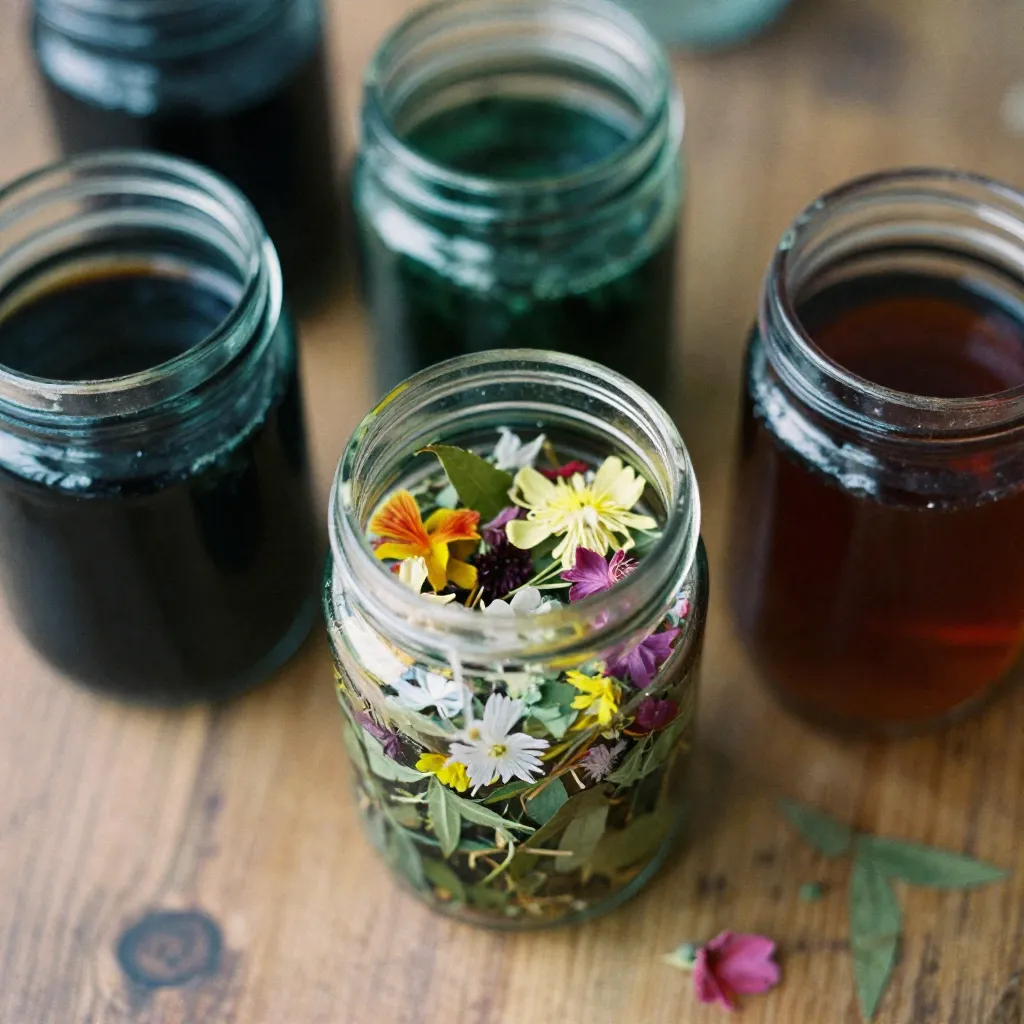
Molecular Composition
Each plant contains unique color compounds that can be extracted and applied to natural fibers through controlled processes.
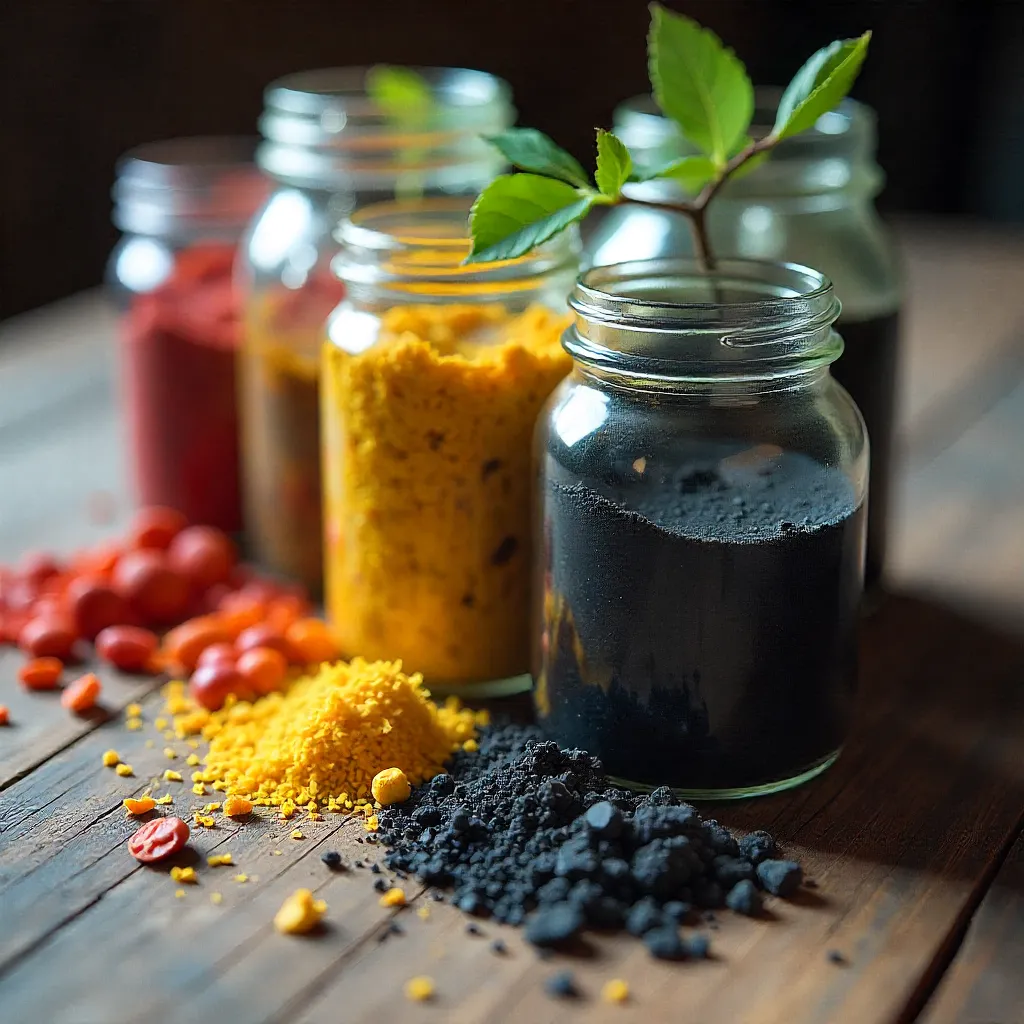
Extraction Methods
Scientific approaches to isolating color molecules while preserving their natural properties and environmental compatibility.
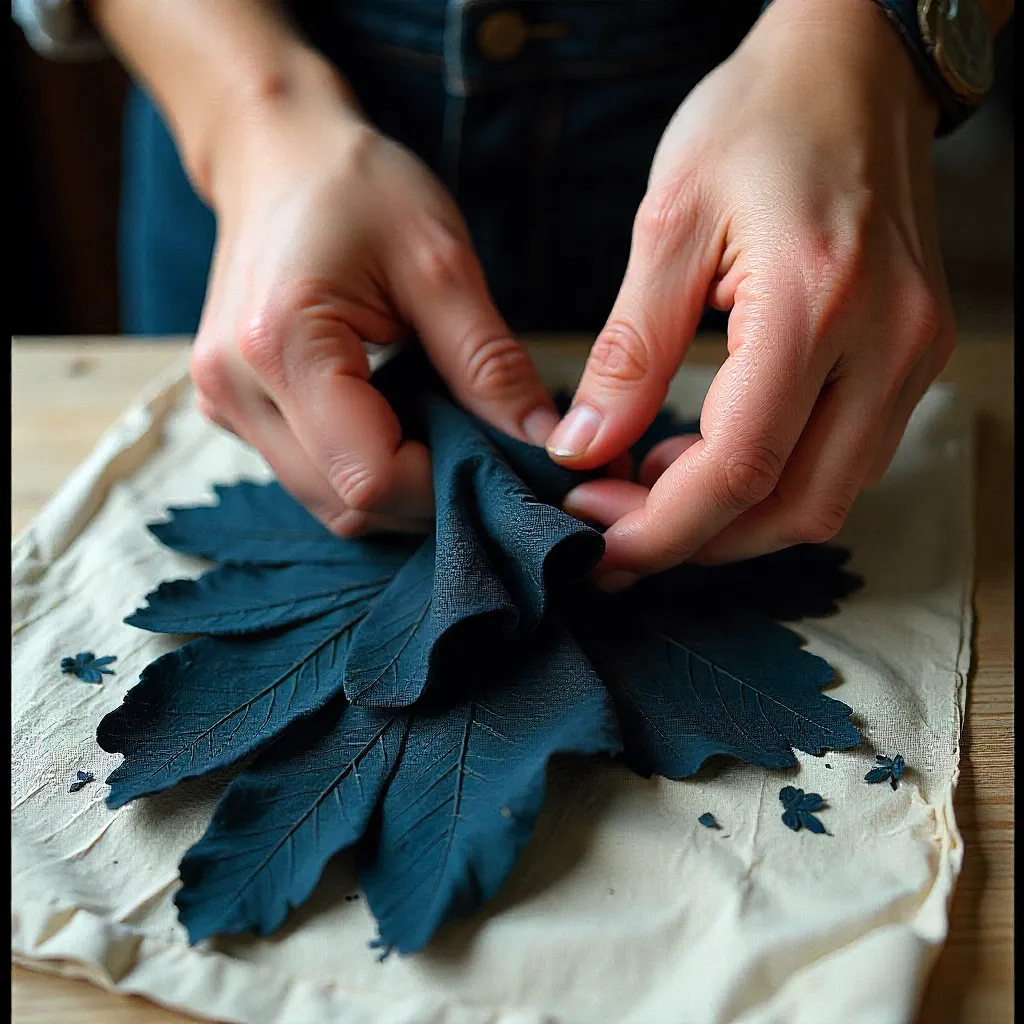
Color Stability
Research into how botanical pigments interact with different fiber types to achieve lasting, vibrant results.
Featured Botanical Sources
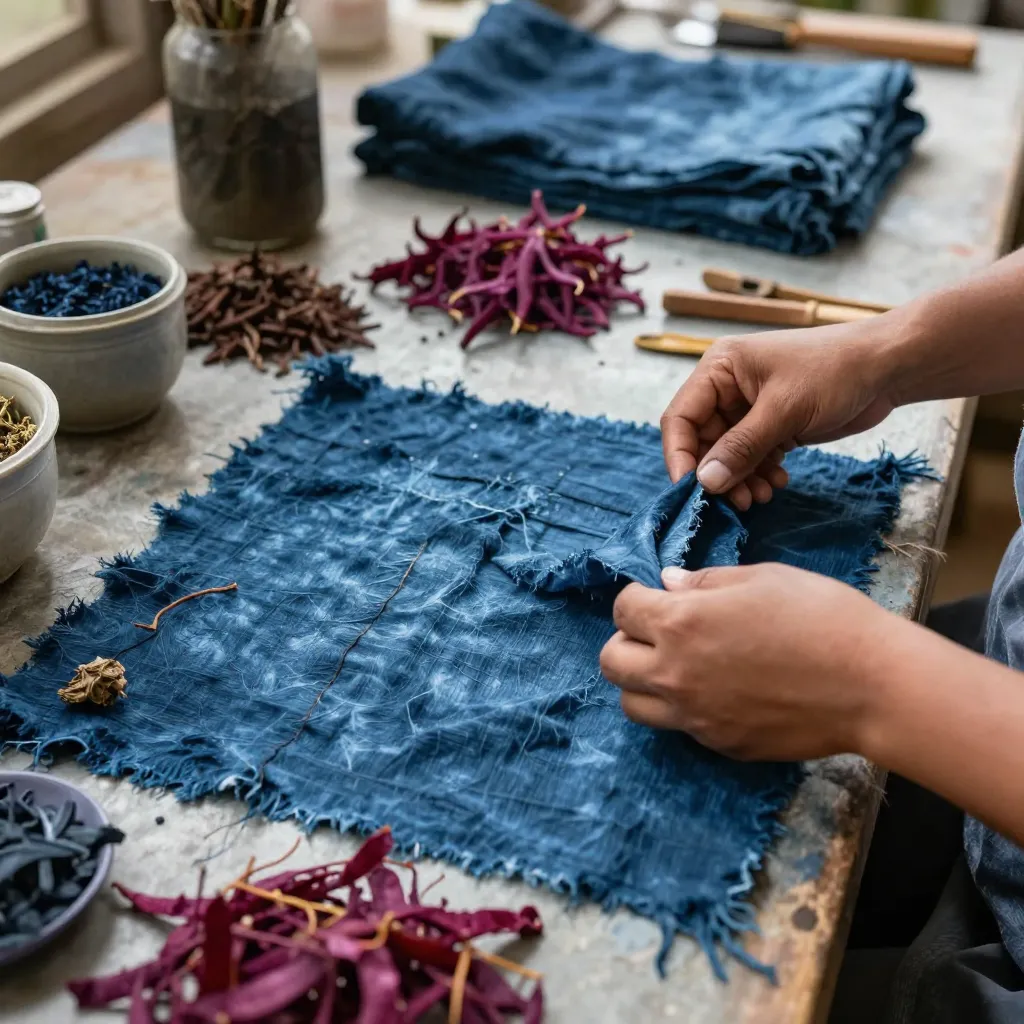
Madder Root
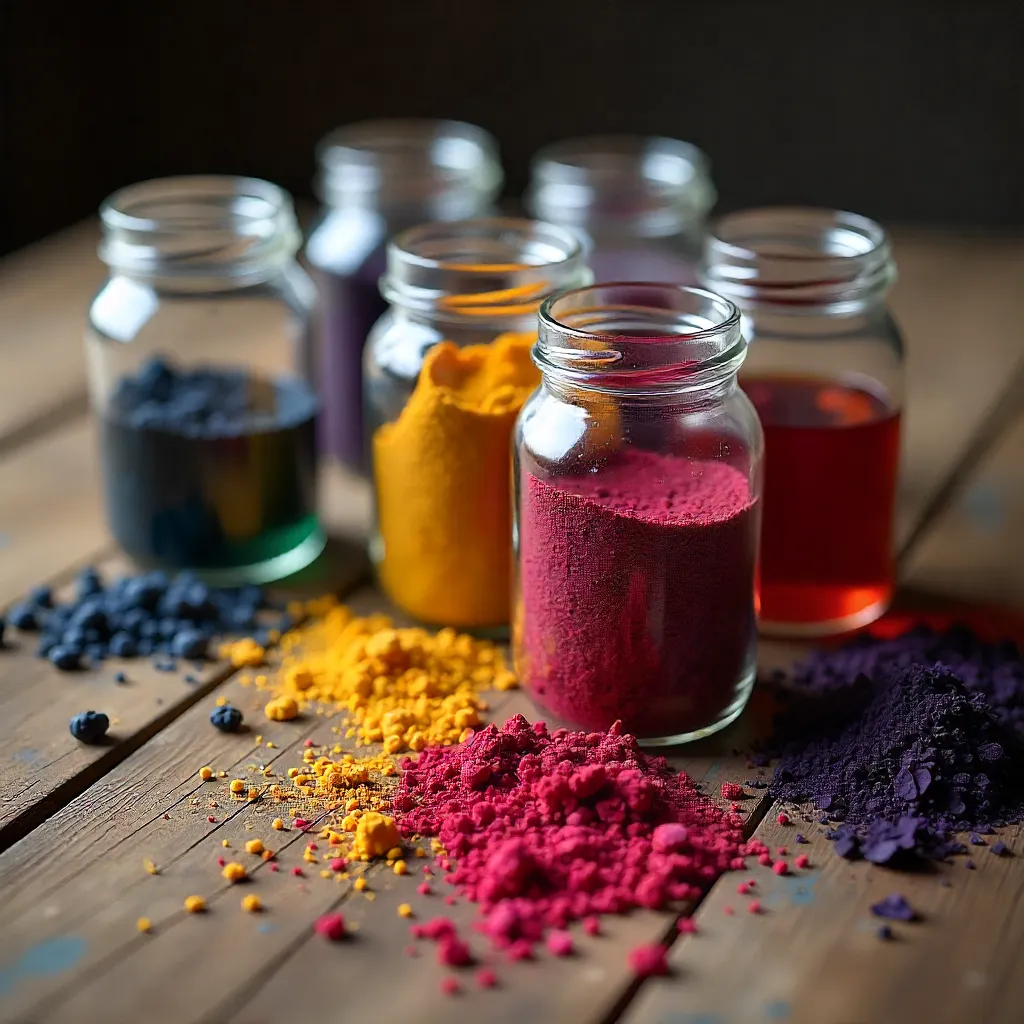
Rubia tinctorum produces alizarin and purpurin, creating red and orange hues. The root system contains concentrated pigments suitable for textile applications.
Indigo
Indigofera and related species contain indican, which transforms into indigo through fermentation, producing classic blue tones.
Marigold
Tagetes species provide lutein and other carotenoids, yielding bright yellow and gold shades when processed correctly.
Woad
Isatis tinctoria contains precursors to indigo, offering European-sourced blue pigments with historical significance.
Research Methodology
Documentation
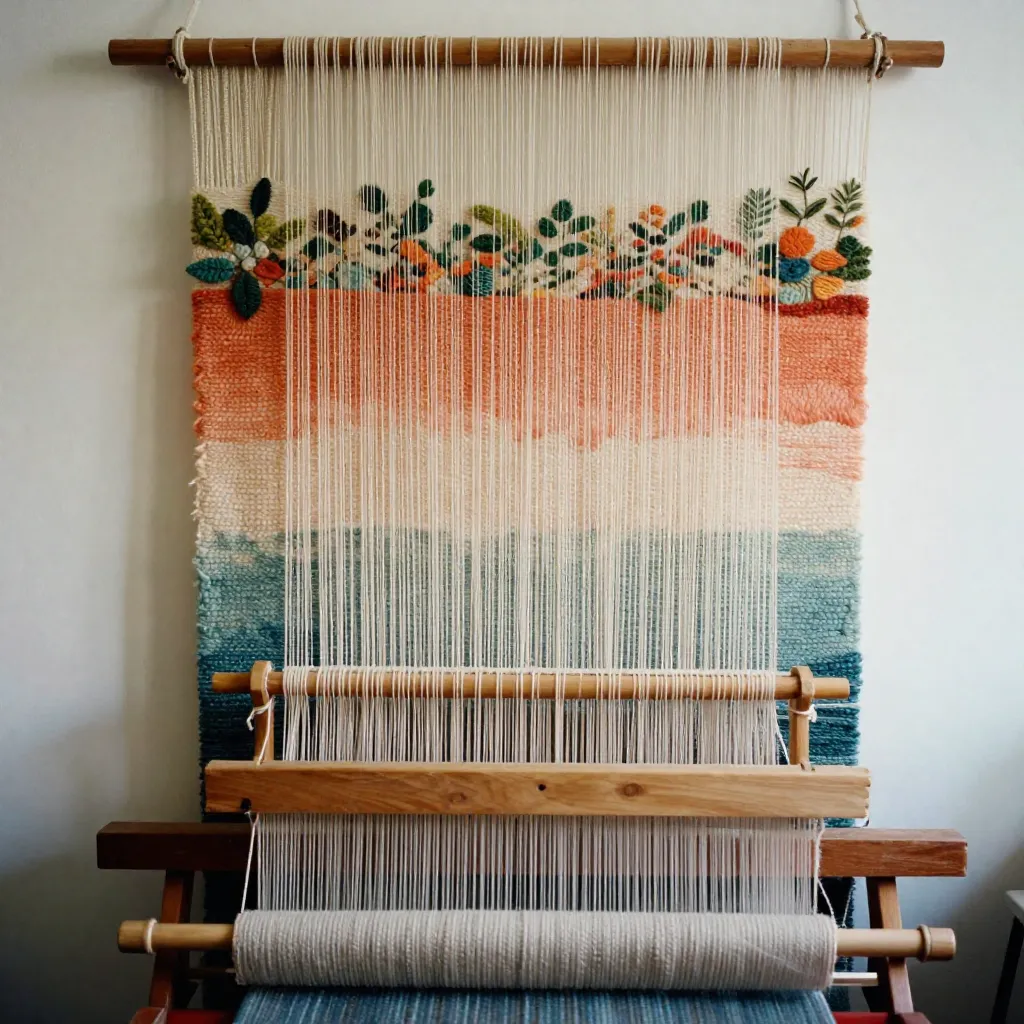
Systematic recording of plant sources, extraction conditions, and resulting color outcomes for reproducible results.
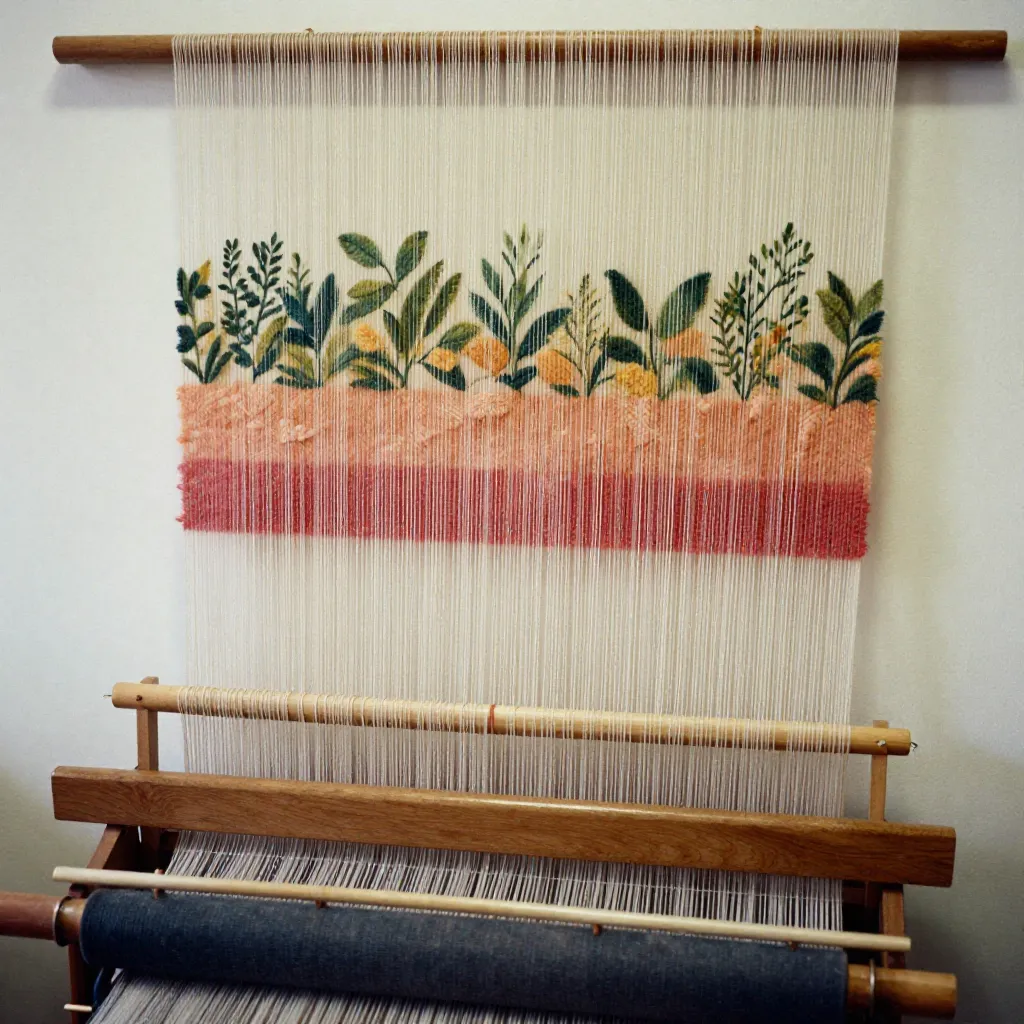
Sample Archive
Comprehensive collection of dyed fiber samples documenting color variations across different botanical sources.

Fiber Compatibility
Testing how various natural fibers respond to different plant pigments to optimize color absorption and retention.